April Fools’ Day, celebrated each year on April 1st, has long been associated with humor, surprise and a touch of playful deception. While its exact origins remain uncertain, one of the most widely accepted explanations dates back to 16th-century France. In 1582, the adoption of the Gregorian calendar shifted the start of the new year from late March, often culminating around April 1st to January 1st. Those who continued to observe the old calendar, whether by habit or by choice, became the subject of jokes and were labeled “April fools.”
But the spirit of April Fools’ Day likely runs even deeper. Historians often point to earlier celebrations such as the Roman festival of Hilaria, where disguises and mockery were encouraged, or medieval European traditions like the “Feast of Fools,” where social norms were temporarily turned upside down. Across cultures and centuries, a common thread emerges; a day devoted to laughter, mischief, and the joy of not taking things too seriously.
By the 18th and 19th centuries, April Fools’ Day had firmly taken hold in England and the United States, evolving into a tradition of practical jokes and harmless hoaxes. In the modern era, it has grown into a global phenomenon embraced not just by friends and families, but by media outlets and major brands alike. At its core, however, the purpose has remained the same, to entertain. And long before viral pranks and internet hoaxes, that spirit of entertainment found a home every Sunday night on The Ed Sullivan Show.
Week after week, The Ed Sullivan Show brought together an extraordinary mix of performers, musicians, dancers, novelty acts, and, of course, comedians into one shared space. It was a stage where the unexpected was not just welcomed, but expected.
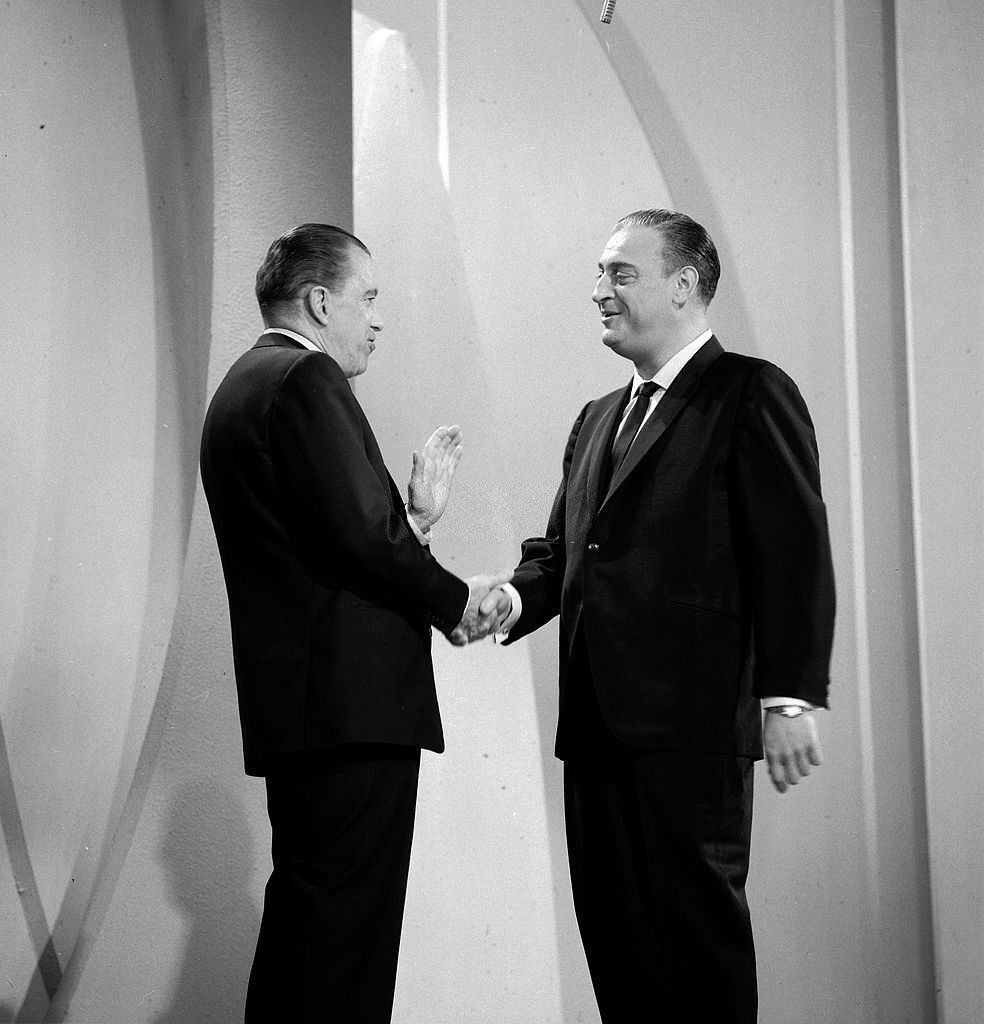
Comedy, in particular, played a vital role in that balance. At a time when television was still defining itself, Sullivan understood that laughter was an essential part of entertainment. Performers like Rodney Dangerfield brought a self-deprecating humor that felt both immediate and timeless, while George Carlin’s early appearances hinted at the sharp observational wit that would later define his career. During this time when few women were leading stand-up, Joan Rivers pioneered with her boldness and sharp delivery. Richard Pryor, too, appeared during a period when his voice was beginning to emerge offering glimpses of the transformative comedy that would soon reshape the industry. The list of comedy greats who appeared in America’s homes through the Sullivan Stage is endless.
Yet part of what made the show so engaging was that not every laugh came from a traditional comedian. Novelty acts: plate spinners, knife-throwers, baton twirlers, fire-eaters, rope jumpers, and any eccentric performers Ed could find, often brought a different kind of humor and playfulness. Before America’s Got Talent, this was the stage for it, adding to the show’s unpredictability.In many ways, The Ed Sullivan Show captured the same spirit that defines April Fools’ Day, a celebration of surprise, humor, and the unexpected. It reminded audiences that entertainment doesn’t always have to be polished or predictable, sometimes, the most memorable moments are the ones that catch you off guard.